
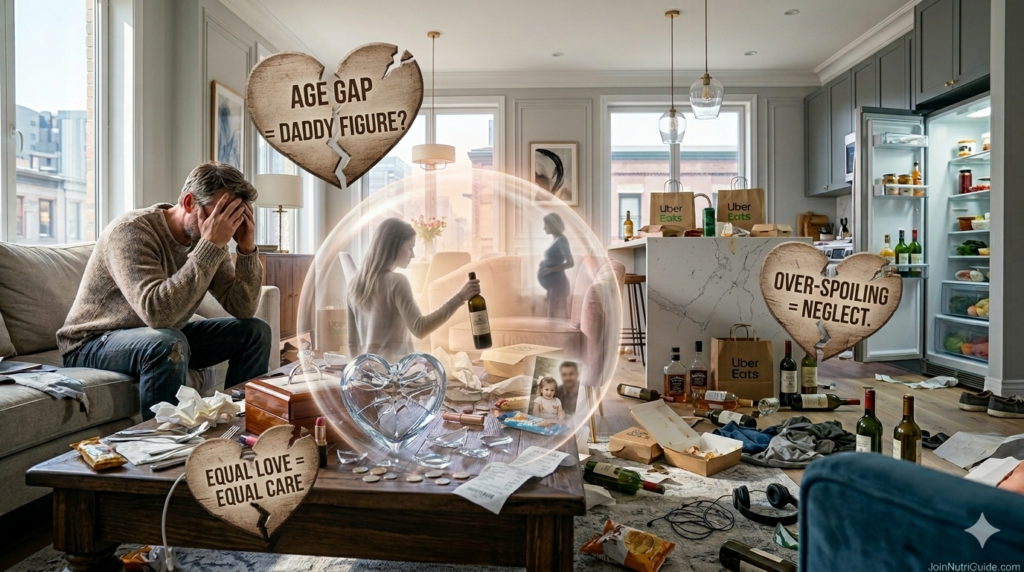
Behind the counter of my store, I often witness the sudden rise and devastating fall of human dreams. Early this morning, a regular customer returned after being away in Alberta for two months. Before he left, he was a man radiating pure joy. He was 43 years old, and he had proudly shown me the expensive, beautiful engagement ring on the finger of his 23-year-old girlfriend. He had a massive smile, telling everyone they were getting married soon. The girl, however, seemed quiet, matching his enthusiasm with a distant, lukewarm look.
When he walked into my store today, his joy was entirely gone. He was a broken man. He returned from his trip only to find his beautiful apartment completely destroyed, looking like a garbage dump overflowing with rotting food delivery containers. Worse yet, the young woman had packed up and vanished completely. This painful situation is a clear example of an unhealthy relationship dynamic.
A Note from Angie: I am a convenience store owner and a passionate wellness researcher—not a licensed relationship counselor. These observations from my store are shared to help us reflect on human behavior and build healthier, more self-aware lives.
The Illusion of the Caretaker Role
As he stood at my counter weeping, he explained that he had spent years treating this girl like an absolute princess. Because she was 20 years younger than him, he happily stepped into a protective, provider role. He paid her rent, cooked, cleaned, painted the apartment, and even acted as her personal security guard when she worked late night shifts at a local beer store. He took immense pride in having a young, pretty girl by his side. In return, he enabled her to never grow up.
While he was away working to build their financial future, things unraveled. He discovered she was drinking expensive wines and ordering daily takeout, leaving him wondering where an unemployed girl got that kind of money. But the deepest wound was his realization that she was pregnant, a physical change he noticed right before she fled. He was consumed with deep regret for leaving her alone.
I looked at him and spoke gently but honestly. I told him, “It is not entirely your fault, but the way you treated her forced this outcome. You spoiled her until she lost her independence, yet you watched her so closely that she lost her freedom.” This imbalance locked them into a highly unhealthy relationship dynamic.
When Protection Becomes a Prison
This heartbreaking situation exposes the hidden dangers of an unbalanced partner dynamic. When a man dates someone decades younger and assumes the role of a father figure, the foundation is rarely built on mutual respect. This girl had lost her own father at a very young age. She didn’t look at him as an equal partner; she used him as a substitute parent to shield her from the responsibilities of adult life.
Without him there to clean up after her, she completely neglected herself and the home. She lacked the emotional maturity to handle a real future, a wedding, or a pregnancy with him because of their unhealthy relationship dynamic.
Finding an Equal Mind in Love
We must keep an open mind when entering relationships. True love requires an equal partnership, not a transaction where one person gives everything and the other simply consumes it. When you lose your judgment simply because someone is young and beautiful, you risk blinding yourself to reality.
If you invest your entire identity, your savings, and your boundaries into rescuing someone else, you will inevitably trap yourself in an unhealthy relationship dynamic. Eventually, you will lose everything—including the person you were trying to save. Real security comes from building a partner up to stand on their own feet, not keeping them dependent on you. Managing personal emotional stress is a massive challenge for many families today. (Note: Highlight this sentence and link it to your previous article to fix your internal link error!) We must learn to build equal partnerships based on mutual respect and open, healthy communication.
Unhealthy cycles don’t just affect couples—they leave deep emotional scars on the next generation. Discover more in our deep-dive reflection: Broken Family Communication Impacts Our Kids.