
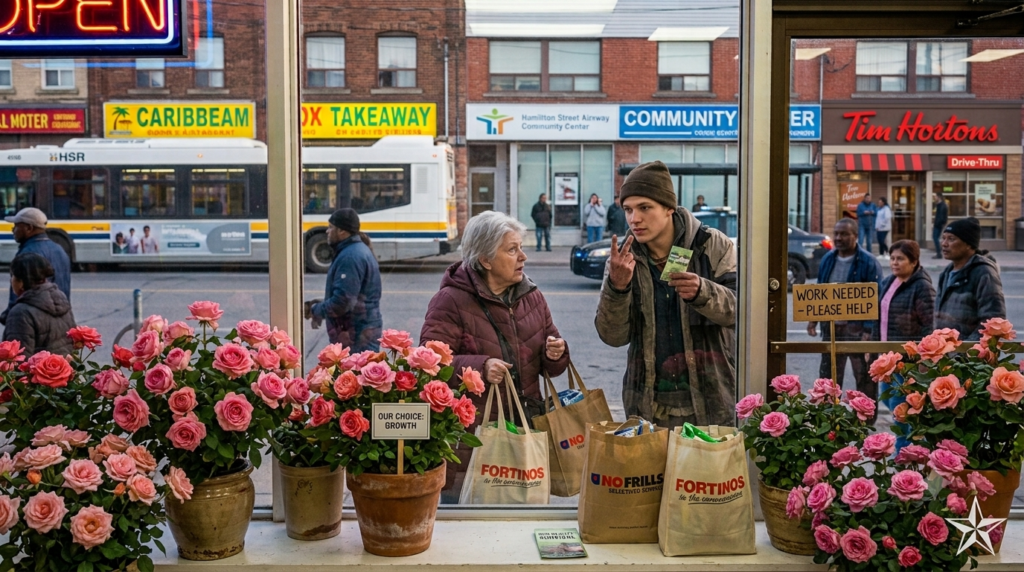
Running a small local store means facing the street-level reality of our cities every single day. Over the past few years, the interactions at our front counter have shifted dramatically from polite requests for help to tense, unpredictable confrontations. Recently, a long-time customer walked in to purchase a lottery ticket, visibly shaken and frustrated by an encounter right outside our doors.
“Twenty years ago, if someone was down on their luck, they asked if you had any spare change,” she told me, setting her keys down on the glass counter. “Today, a man walked straight up to me and demanded a twenty-dollar bill. When I offered to buy him a hot donut and coffee from Tim Hortons instead, he got angry and told me he didn’t want food—he just wanted cash.”
Her experience reflects a growing trend that small business owners see daily. The line between seeking genuine help and making aggressive demands has blurred, creating an exhausting environment for both store owners and everyday shoppers.
Facing the Street-Level Reality Behind the Counter
Just hours before that customer walked in, a man entered my shop asking for free food from our shelves. I politely directed him to the local church across the street, which provides hot, nutritious meals every single day, often twice a day. His response was immediate: “I don’t like the church food. It doesn’t taste good.”
When I explained that I operate a business to survive—not a charitable food bank—and that I could not hand out free inventory, his tone turned hostile. He began yelling, calling me names, and threatening me in front of other customers. I had no choice but to call security from across the street to escort him off the property. As he was chased away, he glared back, furious that a small business wouldn’t cater to his personal preferences.
Setting firm boundaries is essential in these situations. As I shared in The Convenience Store Diaries Volume 2, giving away free items under pressure only creates dangerous expectations. Once you yield to intimidation, your store becomes an ongoing target, compromising the safety of staff and patrons alike.
Compassion Burnout and Systemic Crises
This ongoing street-level reality isn’t just about homelessness; it highlights a broader crisis of accountability and open-air addiction. Decades ago, receiving public assistance carried a sense of mutual respect. Today, substance dependencies often drive aggressive behavior, turning requests for help into urgent demands for cash. When hot food is rejected because it doesn’t “taste good” or because cash is preferred, it becomes clear that hunger isn’t the primary issue—funding an addiction is.
These daily store encounters mirror the broader urban challenges discussed in our article on public overdose exhaustion, where communities are struggling to balance empathy with personal safety. Small businesses are designed to serve neighborhoods through commerce, pay taxes, and keep local economies running. We cannot act as replacement social service hubs, nor should owners face threats when saying “no.”
Compassion without structure isn’t assistance—it enables harmful behavior. To protect our communities and restore balance, we need practical street-level safety measures, real addiction support systems, and a clear understanding that small businesses have a right to operate safely.