
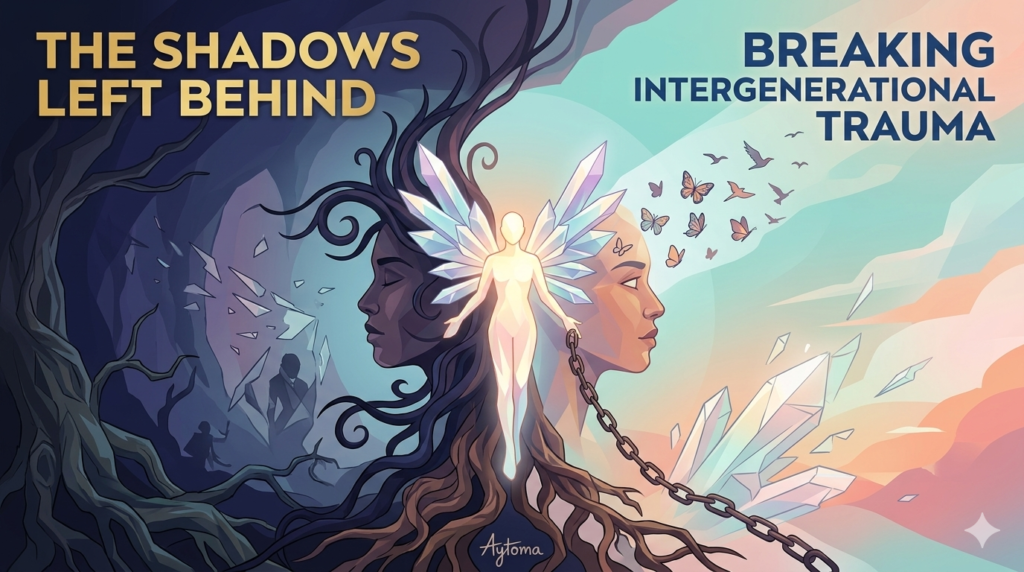
She stepped into the store, a face from a half-forgotten chapter. I didn’t recognize her at first until she anchored my memory to a routine from two years ago: the guy who used to come in every single day to buy two packs of cigars. Back then, they were fresh in love, dating, and building what seemed like a life. But time moves differently in the neighborhoods we watch from behind the counter. Two years of absence can hold an entire lifetime of chaos, quietly laying the groundwork for intergenerational trauma.
As she spoke, the pieces of a fragmented timeline began to fall into place. They had a son together, who is now three years old. Shortly after, he went to jail. But life outside prison walls doesn’t pause. Left on her own, she had another son with someone else.
I asked her the questions that naturally surface when you’re trying to understand human entanglement. Do you visit him? Does he know about the second baby? She admitted how difficult it was to look him in the eyes through the visitation glass and break the news, but he eventually noticed, and she told him the truth. Yet, despite the betrayal and the distance, she pulled out her phone to show me a photograph—a picture of him fogging up the prison glass with his breath, drawing a heart on the window, signaling that he still loved her. When I asked if she still loved him, her answer was an unwavering yes. She said she would keep visiting, keep waiting for him to come home.
But the truth in people’s lives is rarely a straight line.
Facing Toxic Relationship Cycles
The very next evening, she returned to the store. This time, she wasn’t alone. A man accompanied her, introduced under the casual guise of a “security guy” because it was dark outside. But human eyes rarely lie. The way he looked at her wasn’t the gaze of a protective guard; it was the lingering, hopeful look of a man flirting, caught in the quiet wish that she could be his. The girl remained silent, offering neither confirmation nor denial, lost in a haze of her own. Her eyes gave away the truth she couldn’t speak—she was heavily under the influence, floating somewhere far away from the reality standing right in front of her.
It would be easy for the world to judge her. She is young, navigating a maze of addiction, toxic cycles, and fleeting male attention. If she wants to chase after different men, that is her path to tread.
The Real Cost of Intergenerational Trauma
But as she stood there, detached from her own present, my mind didn’t linger on her choices, or the ex in jail, or the man standing beside her. My mind went straight to the children. When I asked where her two boys were—born to two different fathers—she quietly replied that her mother was looking after them. Her mother has full custody.
This isn’t a story about right or wrong; it’s a story about the innocent collateral damage of broken lives. We can look past the adult drama, but we must look at how these environments foster intergenerational trauma. Growing up under a grandmother’s roof while their mother drifts through the night, what happens when they get older and begin to ask where they came from? How does a child process a father behind bars and a mother lost to the fog of substance and survival?
The cycles we fail to break don’t just disappear; they form the foundation of the next generation’s development. According to childhood development experts, early instability heavily impacts emotional growth. We don’t judge the girl, but we must weep for the children. To learn more about rewriting these narratives, check out our guide on healing [Insert Internal Link to One of Your Other Articles Here]. We have to shine a light on these patterns, because the only way to protect the innocent is to finally halt intergenerational trauma in its tracks.
We don’t judge the choices that led here, but we must protect the future; if you are ready to explore how to recognize and escape these patterns, read our deep dive into the price of the abyss inside toxic relationships.