
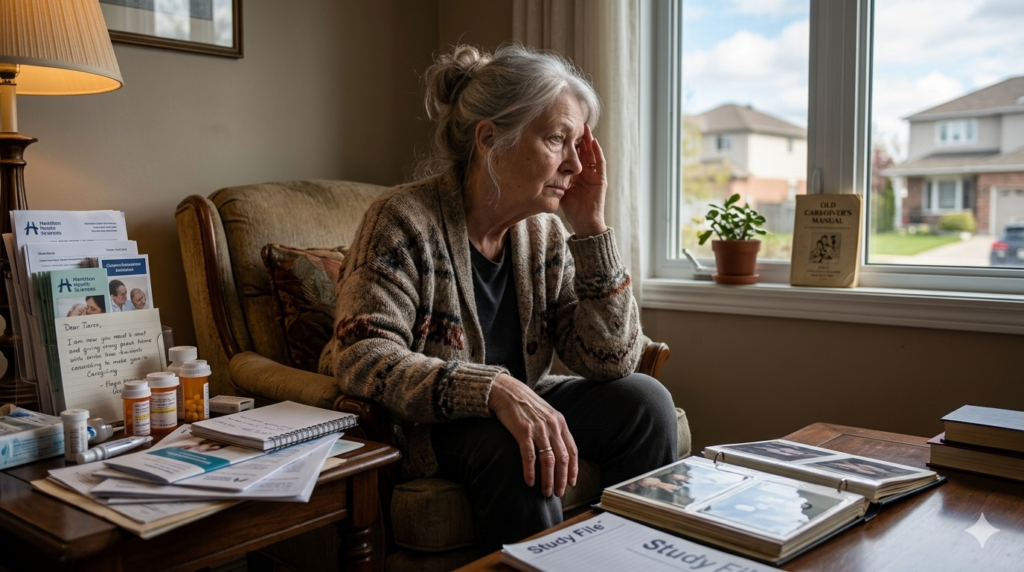
We face many difficult choices in life, but experiencing caregiver burnout while trying to look after an aging family member is one of the most painful trials a person can endure. For years, I have watched two regular sisters walk into my convenience store together. The older sister is 73, and the younger one, now 70, has navigated life with severe mobility challenges since childhood. Over time, I’ve seen the younger sister’s health decline drastically—from walking with a wheelchair to becoming completely housebound, and recently, battling recurrent pneumonia that makes it incredibly hard for her to breathe.
Yesterday, the oldest sister came into my store entirely alone. The heavy fatigue in her eyes told a story that didn’t even need words. She told me the hospital had called, asking if her younger sister could be discharged back to their first-floor home so they could conduct ongoing physiotherapy there. The older sister, after much tearful soul-searching, refused to take her back.
She felt incredibly guilty. She felt like she was failing her own blood. But in reality, she was simply facing a profound structural conflict.
Understanding the Hidden Crisis of Caregiver Burnout
We are taught that family loyalty means “doing it all,” but this mindset quickly leads to severe caregiver burnout. What happens when the primary caregiver is 73, the younger sister is 70, and all the surrounding siblings are also well over 70 years old? The physical demands simply outgrow what an aging body can safely provide.
The older sister explained that because they had already called an ambulance three separate times in recent months, the entire family was living in constant fear. They were terrified that if they fell asleep from pure exhaustion, they would miss the right time to call an emergency response for her sister. Living in a permanent state of emergency causes profound mental and physical caregiver burnout. When someone requires 24/7 monitoring, trying to manage it alone without medical training puts both the patient and the provider in extreme danger.
Is Choosing Professional Care the Right Decision?
Did this older sister make the right decision? Absolutely. Choosing to transfer her sister to a professional facility where she can receive round-the-clock physiotherapy and lung rehabilitation is the most loving action she could take. It shifts her role from an exhausted, terrified nurse back to a supportive, present sibling.
To help families navigate these complex institutional decisions, you can review the guide on managing family stress from the Canadian Caregiver Network. We must remember that we cannot pour from an empty cup. When we push past our physical limits, we don’t save our loved ones—we simply end up with two patients instead of one.
If you are currently struggling with caregiver burnout, know that your love is not measured by your ability to lift a physical burden. It is measured by your dedication to their safety. You can stay in touch, visit often, and remain deeply connected without destroying your own health. Give yourself permission to let professionals handle the medical load, so you can focus entirely on offering pure, unconditional love. For more stories on community strength and family balance, check out our JoinNutriGuide wellness journal.